
Producing molded eyebrow pencils requires careful coordination between filling, temperature control, cooling, and demolding. For manufacturers, choosing suitable equipment means looking beyond output alone: the machine also needs to match the formulation, mold design, and packaging.
The GIENICOS JPF-16 Eyebrow Pencil Filling and Demolding Machine brings these processing stages together. With 16-cavity servo piston filling, temperature-controlled material tanks, mold preparation systems, and configurable demolding, it offers a practical solution for manufacturers developing or expanding molded eyebrow pencil production.
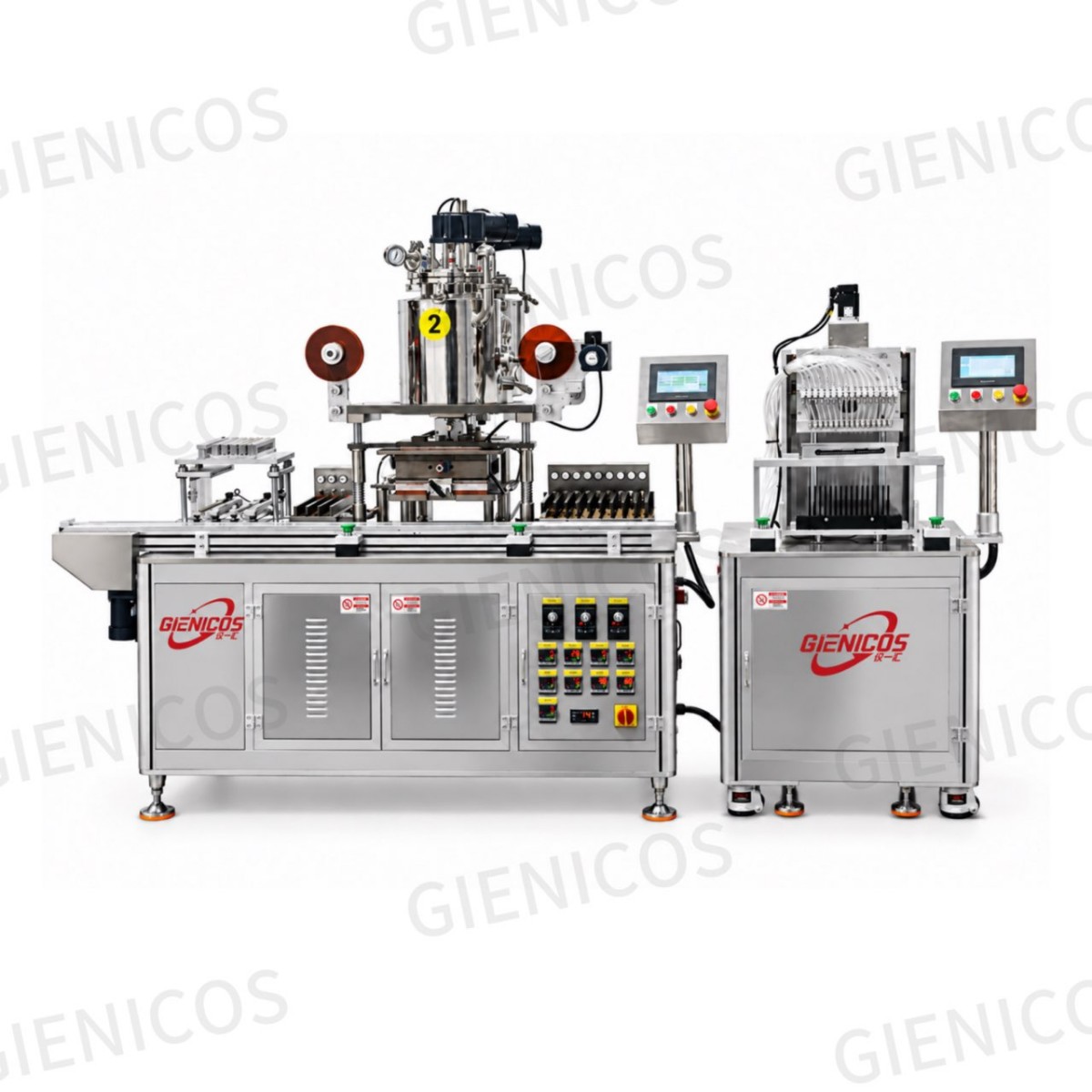
GIENICOS JPF-16 Eyebrow Pencil Filling and Demolding Machine
16-Cavity Servo Piston Filling
Filling control is a key consideration in eyebrow pencil production. The amount delivered into each mold cavity needs to suit the core dimensions and remain consistent throughout production.
The JPF-16 uses a servo-driven piston filling system, filling 16 cavities per cycle. Its specified production speed is 40–50 pieces per minute, with actual output depending on the formulation, mold configuration, cooling requirements, and operating conditions.
For manufacturers evaluating capacity, this provides a useful starting point for assessing the complete production cycle with their own products.
Material Preparation with Heating, Stirring, and Vacuum Functions
Suitable material conditions are essential before filling begins. Temperature and material preparation settings should be established according to the formulation.
The JPF-16 is equipped with two 5-liter, three-layer material tanks incorporating SS316 and SS304 stainless steel. Each tank includes heating, stirring, and vacuum functions, while material and oil temperatures can be controlled.
These functions allow manufacturers to establish processing conditions for their eyebrow pencil formulations through product trials.
A Coordinated Process from Mold Lubrication to Demolding
Filling is one stage in a broader molding process. Mold preparation, heating, cooling, and release must work together to produce cores that meet the intended shape and finish.
The JPF-16 combines the following process stages:
Metal Mold Lubrication → Mold Heating → Filling → Cooling → Packaging Placement → Demolding
Its atomized mold lubrication system prepares the molds before filling, while the mold heating and cooling systems support the subsequent processing stages.
Bringing these functions into a coordinated equipment setup helps manufacturers evaluate the full workflow when planning production.
Controlled Cooling Before Product Release
After filling, eyebrow pencil cores need suitable cooling before demolding. The required conditions depend on the formula, core dimensions, and mold design.
The JPF-16 specification lists a cooling temperature of 2–3°C. Cooling time and operating settings should be confirmed during trials to assess core setting, shape retention, and surface condition.
Evaluating cooling alongside filling and demolding helps establish a production cycle suited to the actual product.
Demolding Options to Match Product Requirements
Successful production requires more than filling a mold. The core must also be released and transferred into the intended packaging without unacceptable damage.
The JPF-16 uses vertical air-blow demolding and can be configured for pin demolding. This gives manufacturers a choice of release methods to evaluate against their product requirements.
GIENICOS can discuss the appropriate configuration based on the customer’s formulation, mold structure, core geometry, and packaging samples. Product trials provide the opportunity to check release performance and packaging fit before finalizing the process.
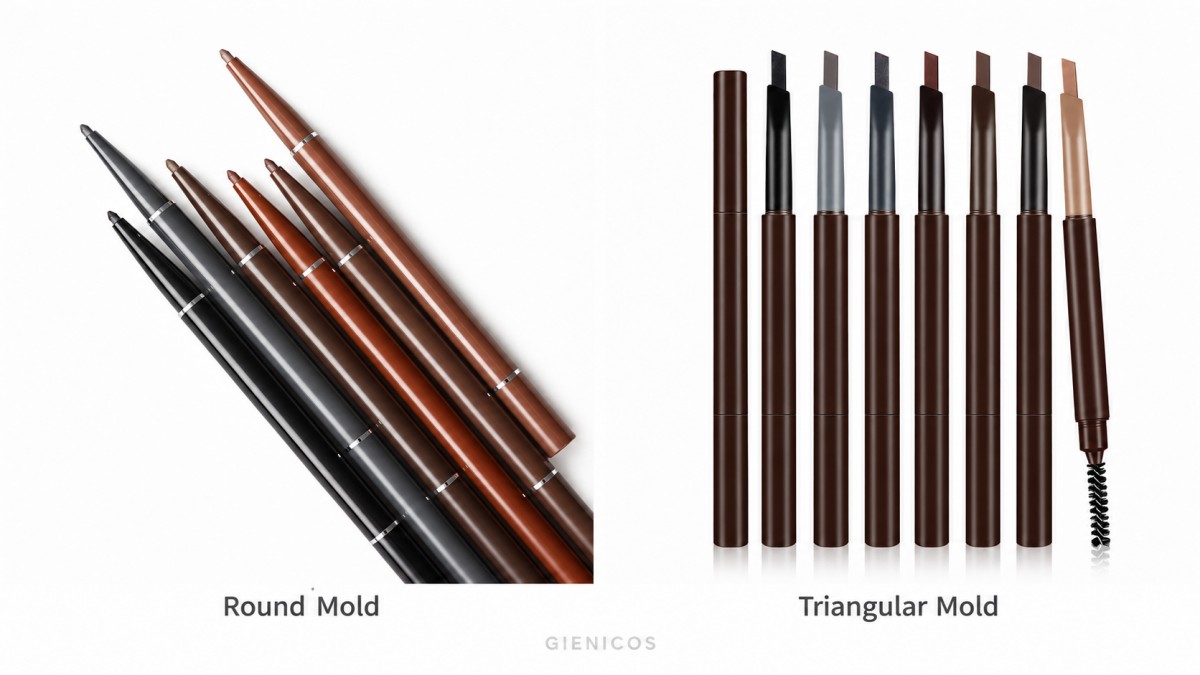
Quick-Release Filling Valves for Cleaning Access
Cleaning is an important consideration for manufacturers working with different shades or formulations.
The JPF-16 features quick-release filling valves, providing convenient access for valve removal and cleaning. When planning production, manufacturers can review cleaning procedures and changeover requirements alongside output targets.
This helps ensure that equipment selection reflects everyday operating needs as well as production capacity.
Key Features of the GIENICOS JPF-16
| Feature | Specification |
| Filling system | Servo-driven piston |
| Filling capacity | 16 pieces per cycle |
| Production speed | 40–50 pieces per minute |
| Material tanks | Two 5-liter, three-layer tanks |
| Tank functions | Heating, stirring, and vacuum |
| Temperature control | Material and oil temperature control |
| Mold preparation | Atomized lubrication and mold heating |
| Cooling temperature | 2–3°C |
| Demolding | Vertical air-blow; pin-demolding configuration available |
| Filling valves | Quick-release design |
Choose GIENICOS for Your Eyebrow Pencil Production Project
The JPF-16 combines servo piston filling, material temperature control, mold lubrication, heating, cooling, and demolding in one coordinated process. For manufacturers evaluating molded eyebrow pencil equipment, these capabilities provide a clear basis for discussing production requirements and testing product compatibility.
Planning a new eyebrow pencil production line or expanding your existing capacity? Contact GIENICOS with your formulation characteristics, core dimensions, packaging samples, and target output to discuss a suitable JPF-16 configuration and product trials.
Post time: Oct-24-2026