
Are lumps, shade carryover, and uneven powder flow making it difficult to achieve stable results before pressing? A cosmetic powder sifter may look like a simple machine, but its effect reaches the mixer, pulverizer, powder press, cleaning plan, and final compact quality. If the screen, vibration, or material path does not match the formula, a factory can lose time through rework, slow changeovers, and repeated adjustment.
For overseas buyers, the right cosmetic powder sifter should do more than pass powder through a mesh. It should fit the powder preparation process, support the planned batch size, be easy to clean between shades, and connect smoothly with upstream and downstream equipment. This guide explains how to compare the machine, the test plan, the total cost, and the supplier before placing an order.
Start With the Cosmetic Powder Sifter Production Goal
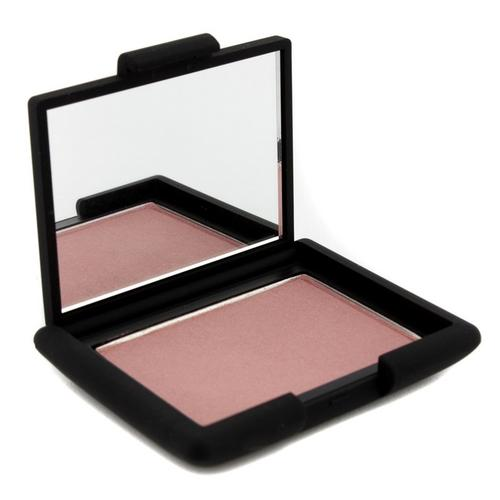
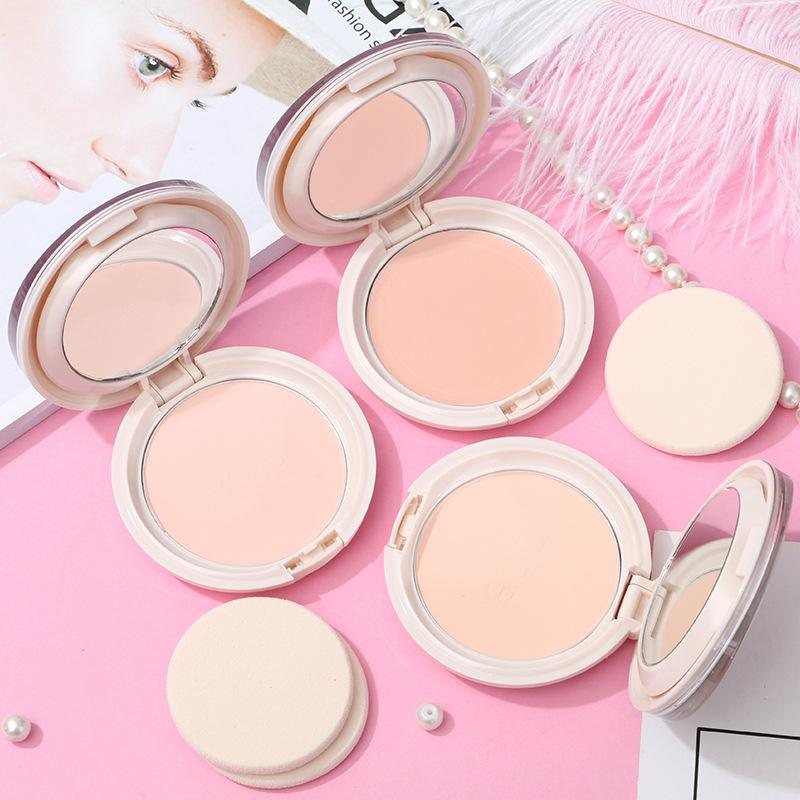
Equipment selection should begin with the product standard. Eyeshadow, pressed face powder, blush, and similar color cosmetics may use different pigments, binders, oils, and particle sizes. These differences affect how the powder forms lumps, moves across a screen, and feeds the next process. A cosmetic powder sifter must be reviewed with the actual formula, not only the product name.
Tell the supplier whether the screened material will go to a powder press, a filling machine, or temporary storage. Define the desired powder condition after screening and the defects that must be controlled. Procurement teams should also share the number of shades, average batch weight, daily batch count, and cleaning method. These details help determine whether the proposed cosmetic powder sifter supports real production rather than an ideal sample run.
Review Powder Behavior Before Choosing a Screen
Powder can change after mixing, pulverizing, storage, or transport. Some blends form soft lumps that break easily. Others contain harder agglomerates that may need more preparation before screening. Very fine or oil-rich powders may move slowly and can build up on the screen. A cosmetic powder sifter should be tested with representative material from the intended process stage.
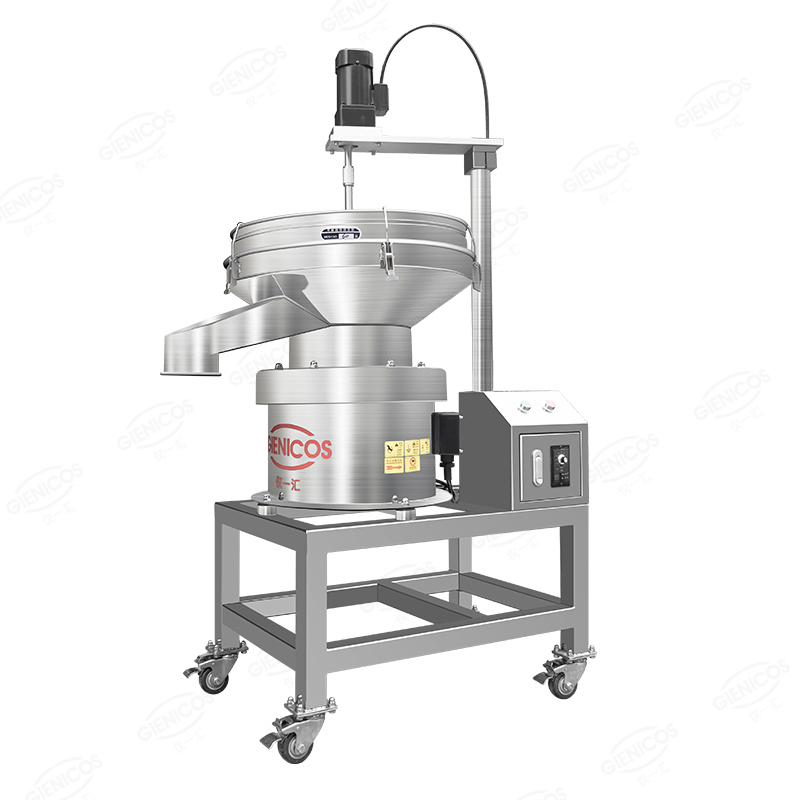
Do not assume that a smaller mesh number is always better or that a finer screen always improves quality. The screen should remove unwanted lumps while allowing acceptable material to pass at a stable rate. The official GIENICOS PSF-2 cosmetic powder sifter offers 40, 60, 80, 100, and 120 mesh options. The final choice should be confirmed through a product test with the required finish and throughput.
Match Cosmetic Powder Sifter Screens to Quality and Output
The screen is the main working part of a cosmetic powder sifter. Buyers should confirm its diameter, mesh options, tension, replacement method, and spare-screen availability. The GIENICOS PSF-2 has a listed screen diameter of 550 mm and uses a high-tension screen designed for replacement. These details matter because screen area and condition affect flow, cleaning time, and production continuity.
Check Vibration and Top Blending
A cosmetic powder sifter must move material across the screen without creating an unstable feed. The GIENICOS PSF-2 uses a vertical vibration motor and includes a top blending function with adjustable mixing speed. During testing, buyers should observe whether powder spreads across the working area, passes the screen evenly, and avoids excessive buildup at one location.
Control Cosmetic Powder Sifter Cleaning and Shade Changeovers
Color carryover is a key purchasing concern in eyeshadow and pressed powder production. Pigment can remain on the screen, lid, contact surfaces, discharge path, seals, or nearby frame. A small amount of dark powder may be visible in the next light shade. For this reason, cleaning access can be more valuable than a small increase in rated speed.
Request a full cleaning demonstration for the cosmetic powder sifter. Confirm which parts are removable, how the screen is handled, whether tools are required, and how operators inspect hidden areas. The GIENICOS product page states that material-contact parts use sanitary-grade SUS316L and that the smooth stainless-steel construction is easy to clean. Buyers should still verify the cleaning method with their own powder and internal hygiene rules.
Plan the Cosmetic Powder Sifter Within the Full Line
A cosmetic powder sifter is normally one part of a wider powder preparation and forming process. GIENICOS lists powder mixers, pulverizers, sifters, compact powder presses, powder case gluing machines, and loose powder filling equipment within its cosmetic powder range. For pressed products, the sifter can be evaluated between powder preparation and pressing so that the material reaches the press in a more consistent condition.
Confirm Footprint Utilities and Operator Access
The GIENICOS PSF-2 is listed at 470 by 744 by 1042 mm, with 0.75 kW power and AC380V or AC220V, three-phase, 50 or 60 Hz electrical options. Overseas buyers should confirm the final electrical configuration in the quotation and technical agreement. They should also allow space for loading, discharge, screen removal, cleaning, and maintenance around the cosmetic powder sifter.
Calculate Cosmetic Powder Sifter Capacity and Total Cost
Rated screening speed does not equal accepted daily output. Actual capacity depends on powder flow, mesh choice, batch loading, operator work, screen cleaning, shade changes, inspection, and downstream demand. Ask the supplier to test a complete batch and report both processing time and the condition of the screened powder. A cosmetic powder sifter should be sized around the production mix, not only the largest planned order.
Purchase price is only one part of the cost. Compare screen life, spare screens, cleaning labor, lost powder, utilities, maintenance access, packaging, shipping, installation, and training. Also consider the cost of downtime if a screen or motor part is unavailable. The best cosmetic powder sifter is the one that delivers stable acceptable powder at a practical cost per batch.
Verify Cosmetic Powder Sifter Quality and Maintenance Details
A buyer should review the parts that contact powder, the screen frame, vibration system, controls, guards, and emergency stop. The GIENICOS PSF-2 is listed as CE approved, with SUS316L material-contact parts and a safety-focused stainless-steel structure. Ask the supplier to include the final component list, electrical information, operating instructions, and recommended maintenance in the project documents.
Test the Cosmetic Powder Sifter Before Shipment
A catalog cannot prove that a cosmetic powder sifter will work with every formula. Send representative powder for testing whenever practical. The sample should reflect the real process condition, including binder level, oil content, color, storage time, and any tendency to form lumps. Test more than one difficult shade if the line will handle a wide product range.
GIENICOS states that it can conduct a factory acceptance test before shipment. Agree on the FAT plan before the machine is built or prepared. The test should use the confirmed screen, batch size, electrical setup, and operating method. It should show a complete run rather than a short demonstration with a small amount of easy-flowing powder.
Build a Practical FAT Checklist
During FAT, verify the cosmetic powder sifter with measurable results. Check the time for a full batch, the amount of material remaining in the machine, screen condition, noise or unusual vibration, powder appearance, discharge control, and repeatability after restart. Collect samples from the start, middle, and end of the run for internal comparison.
The FAT should also include screen removal, cleaning, reassembly, operation after changeover, alarm handling, and basic maintenance. Confirm the supplied screens, tools, spare parts, manuals, and electrical drawings before packing. If the customer cannot attend in person, request a complete video record that shows the cosmetic powder sifter, the test material, the operating settings, and the test results in one sequence.
Evaluate the Cosmetic Powder Sifter Supplier and Delivery Plan
GIENICOS positions itself as a cosmetic machinery manufacturer and automation solution provider. Its official product range covers material preparation, filling, cooling, compacting, packing, and labeling. For a cosmetic powder sifter project, this wider experience can help buyers discuss upstream and downstream equipment as one process rather than as isolated machines.
Before ordering, confirm technical approval, customization, manufacturing milestones, FAT, packing, shipment, installation, and training. Define who provides utilities and local labor. GIENICOS also lists video technical support, online support, and field maintenance and repair service. Put the required support scope and response expectations into the contract for the cosmetic powder sifter.
Choose a Cosmetic Powder Sifter Process That Can Be Repeated
Stable powder preparation comes from matching the formula, screen, vibration, cleaning method, operator work, and downstream process. A cosmetic powder sifter cannot correct every formula or mixing problem, but it can help create a more controlled feed condition before pressing or filling when it is selected and tested correctly.
Prepare your product types, representative powder samples, batch weights, shade-change plan, target output, electrical standard, factory layout, and acceptance criteria. Then ask GIENICOS to evaluate the PSF-2 cosmetic powder sifter and the related powder preparation equipment against those conditions. A practical product test and written FAT plan will give your team a stronger basis for the final investment decision.
Post time: Oct-23-2026