
Are uneven color layers, slow shade changes, or uncertain package results making a premium makeup launch hard to scale? A multi-color filling machine must do more than place several colors in one pack. It must keep each formula at the right condition, control every dose, repeat the approved pattern, and support practical cleaning.
For cosmetic brands and OEM or ODM factories, the purchase should begin with the finished product. The GIENICOS JYF-4 multi-color filling machine combines four independently heated material tanks with servo-driven single-nozzle hot filling. It supports single-color, dual-color, three-color, and programmed pattern filling for stick and palette products. This guide explains how to evaluate the system before approving an investment.
Define the Product Before Comparing Equipment
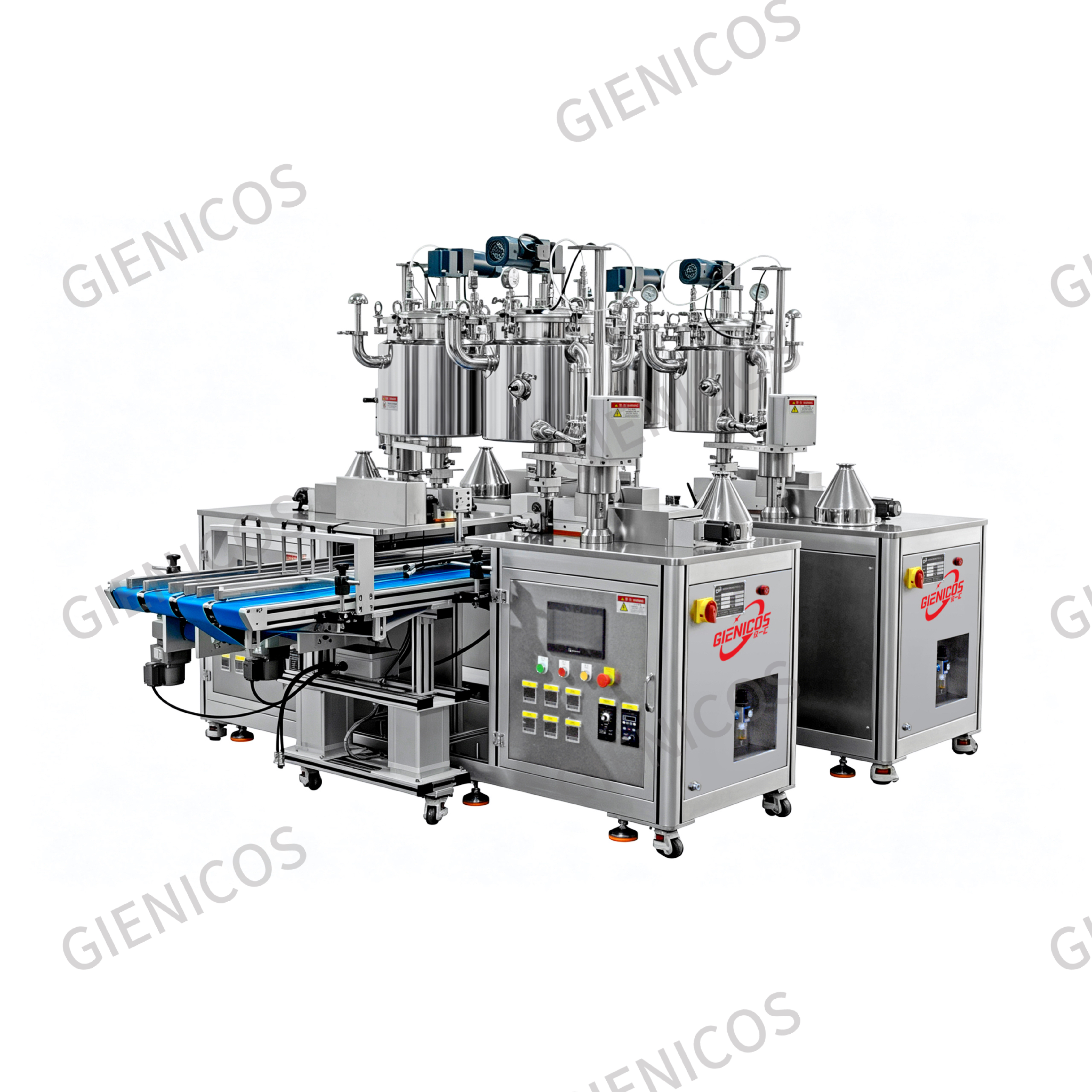
Select a multi-color filling machine around the commercial formula and pack. The JYF-4 multi-color filling machine is designed for cream foundation, concealer, contour stick, highlighter balm, cream blush, primer balm, glow balm, and other hot-filled cream or balm products.
The multi-color filling machine also supports three-color palettes, multi-shade foundation palettes, and multi-color sunscreen palettes. Separate firm launch projects from future ideas.
Send Complete Product and Package Samples
Provide the formula, container, pan or stick component, drawings, and target fill amount. Filling volume on the multi-color filling machine is customized according to the product. The agreement should state the approved range for every planned format.
Include easy and difficult formulas. Samples let GIENICOS evaluate the filling path, package space, color placement, and tooling before fixing the configuration.
Match the Filling Mode to the Product Design
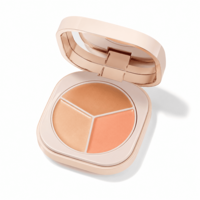
The visual design should decide how the multi-color filling machine is programmed. The JYF-4 multi-color filling machine supports single-color, dual-color, three-color, and customized pattern filling. GIENICOS also lists gradient, rainbow, layered, and segmented effects.
Convert the approved artwork into a production requirement. State the order of colors, the target position of each layer, the amount per color, and the acceptable visual range. A reference photo alone may not explain how to judge the finished pattern.
Separate Required Effects From Future Options
Ask GIENICOS to show which effects the proposed multi-color filling machine can repeat with the actual formula and package. Confirm whether the launch needs one, two, or three colors, or a programmed decorative pattern.
The JYF-4 multi-color filling machine changes modes through its program without changing the core structure. The multi-color filling machine quotation should identify tooling, setup, and tests for each format.
Control Temperature for Every Color
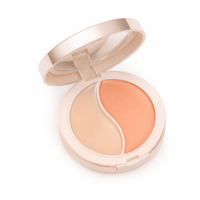
Hot-filled cream and balm products need stable material conditions. The JYF-4 multi-color filling machine uses independent heated tanks, and each tank temperature is adjustable. This supports colors or formulas that cannot use one shared setting.
Record the approved temperature for each tank and product. Check startup, normal running, a pause, and the end of a batch. Confirm results under realistic conditions.
Review the Complete Heated Path
Ask how material moves from each heated tank to the nozzle. Review the multi-color filling machine as a full process, including contact parts, adjustments, and startup.
GIENICOS specifies SUS316L stainless steel for the JYF-4 material-contact components. Include these parts in the cleaning and spare-parts review. The final specification should also identify the customized voltage and required air pressure of 0.5 to 0.8 MPa.
Verify Dosing and Pattern Repeatability
The JYF-4 multi-color filling machine uses servo-driven single-nozzle hot filling and lists accuracy at plus or minus 0.1 g. Test that figure with the buyer’s product, fill amount, package, and pattern.
Define the sample count and recording method. For a three-color product, review total fill and each color when practical. Inspect position, layer shape, surface condition, and visible contamination between colors.
Test More Than the First Good Sample
Run the multi-color filling machine long enough to observe repeatability, tank refilling, pauses, restarts, and normal adjustments. Take samples from the start, middle, and end of the run.
For a gradient or pattern, approve visual samples before testing. Keep them with the FAT record for use during commissioning.
Plan Cleaning and Color Changeovers
Frequent product updates can make cleaning time a major operating cost. GIENICOS describes the JYF-4 as a modular system designed to simplify cleaning and color changes. Buyers should still request a full changeover demonstration on the ordered multi-color filling machine.
Measure the time from the last accepted unit of one product to the first accepted unit of the next. Include material removal, contact-part cleaning, tooling changes, recipe selection, trial filling, and quality approval.
Check Dark to Light Changeovers
Use a demanding color sequence during FAT. A dark-to-light test can reveal residue that may not appear during similar shade changes. Inspect the tanks, flow path, nozzle, and removable parts of the multi-color filling machine after cleaning.
Ask which parts require tools and which an operator can remove. Confirm the cleaning method for the buyer’s formulas and document every step.
Review Recipes Controls and Operator Work
The JYF-4 multi-color filling machine uses PLC and touch-screen control and stores multiple recipes. This can shorten setup for recurring products and restore approved parameters.
Check how recipes are created, named, selected, and protected. Ask which values an operator can change and which need supervisor control. Keep a final approved recipe for every SKU.
Map Manual Steps Around the Machine
A complete project may also need package loading, inspection, cooling, or packing. Mark every manual step around the multi-color filling machine and the expected operator work.
This allows equal quote comparisons. One proposal may cover filling only, while another includes handling or line integration. Clarify the boundaries before comparing price, space, and labor.
Calculate Cost Around Approved Output
Purchase price is one part of a multi-color filling machine project. Add trials, tooling, shipping, installation support, training, spare parts, utilities, cleaning materials, and the formula and packaging consumed during testing.
Operating cost depends on accepted output, changeover time, retained material, and labor. For short runs, cleaning and recipe changes may matter more than unproven peak speed.
Compare One Platform With Separate Machines
The JYF-4 multi-color filling machine is designed to make single-color, dual-color, three-color, and pattern-filled products on one platform. Compare that flexibility with separate equipment for different product categories.
Use the real launch plan. Include the run frequency, batch size, and product-change time for each format. A flexible system creates value only when the factory can use its modes with approved formulas and packages.
Build a Practical Factory Acceptance Test
GIENICOS recently reported a customer FAT that covered operation, filling, station coordination, product and packaging handling, continuous running, and adjustments. Use the same evidence-based approach for a multi-color filling machine.
Before FAT, agree on products, packages, test quantities, filling modes, accuracy checks, visual standards, and changeovers. Test the ordered configuration, not a showroom setup.
Include Fault and Recovery Checks
Stop and restart the multi-color filling machine during the test. Check how the program resumes and how operators identify units that need review. Confirm the response to a missing package, low material level, temperature issue, or another condition in the final control design.
Record adjustments and repeat failed checks after correction. Review manuals, electrical information, recipes, tooling, and recommended spare parts before packing.
Confirm Customization Delivery and Support
The JYF-4 has customized filling volume and voltage. The technical agreement for the multi-color filling machine should cover each product, package, utility, and filling effect. Start the schedule after confirming these inputs.
Set milestones for samples, design approval, assembly, trials, FAT, shipment, and commissioning. State who supplies each sample and the required quantity.
Evaluate the Supplier as a Process Partner
GIENICOS was founded in 2011 and positions itself as a cosmetic machinery manufacturer and automation solution provider. Its scope covers material preparation, heating, filling, cooling, compacting, packing, and labeling. The company also states that its products hold CE certificates and 12 patents and serve more than 50 countries.
This wider scope can support upstream and downstream planning for a multi-color filling machine. Define the project team, tests, documents, training, and service in writing.
Move From a Creative Idea to a Tested Process
The right multi-color filling machine should repeat the approved design with the actual formula and package. It should maintain separate material conditions, control dosing, support realistic cleaning, store recipes, and pass a test based on accepted output.
For multi-color filling machine buyers, GIENICOS combines cosmetic machinery manufacturing with automation and customized system planning. The JYF-4 multi-color filling machine provides independent heated tanks, servo-driven single-nozzle filling, four filling modes, programmable paths, recipe storage, and SUS316L material-contact parts for cream and balm applications.
Send GIENICOS the formulas, colors, packages, drawings, fill amounts, batch sizes, utilities, and approved visual references. Ask the engineering team to configure a multi-color filling machine and prepare a product trial, FAT, delivery, and support plan around those requirements.
Post time: Nov-20-2026