
Are small lipstick, lip balm, or mascara containers tilting or receiving labels in the wrong position? The label may not be the only problem. Small cosmetic packs are light, narrow, and difficult to keep upright. For buyers, choosing a horizontal labeling machine means matching the equipment to the container, label, product mix, and real production plan.
A suitable horizontal labeling machine should do more than apply a sticker. It should hold each product steadily, detect both the product and label, support repeatable positioning, and allow practical changeovers. This guide explains what cosmetic manufacturers and OEM or ODM factories should confirm before purchase.
Why Small Cosmetic Containers Need Horizontal Labeling
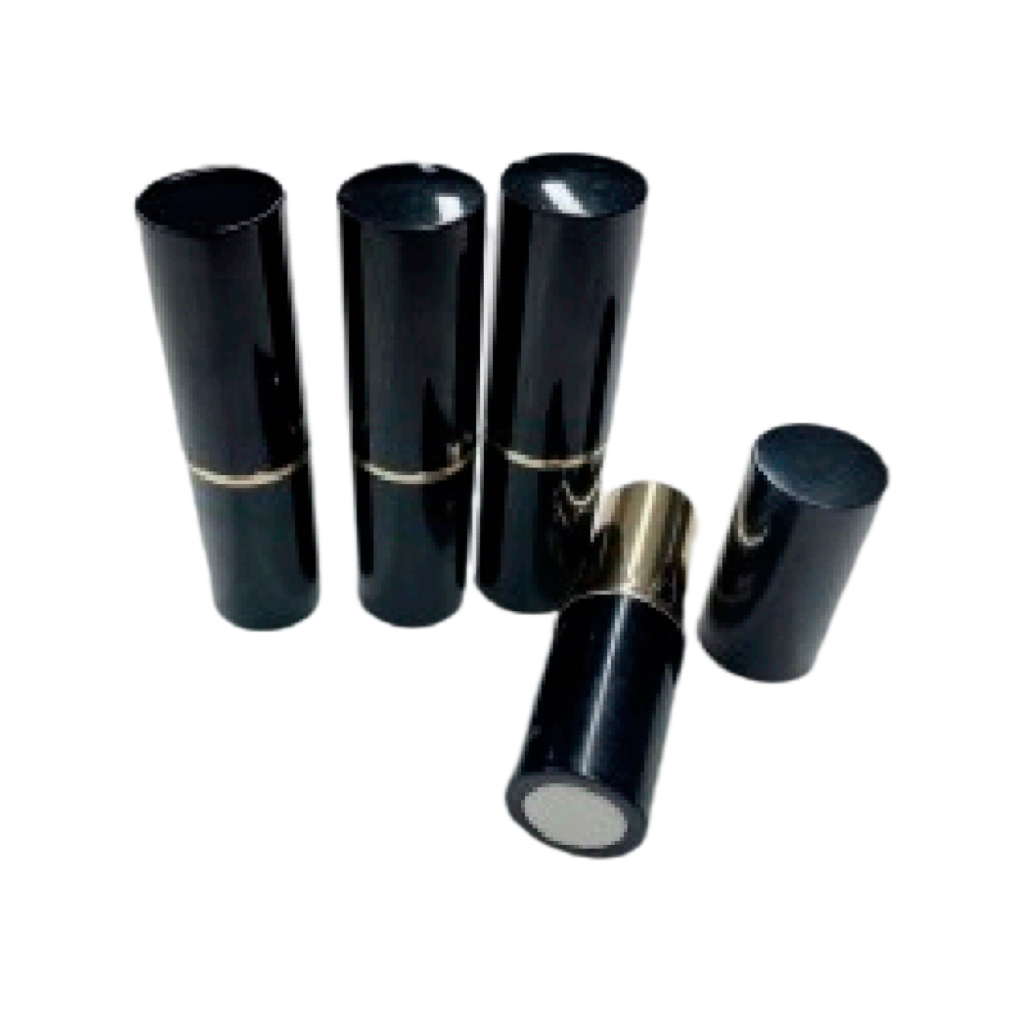
Small cylindrical packs can be unstable when they travel upright. Lip balm tubes, lipstick tubes, mascara containers, eyeliner pencils, glue sticks, and essential oil bottles may lean or rotate. A horizontal labeling machine helps control movement that could cause skew, uneven overlap, or visible placement differences.
A horizontal labeling machine places the product on its side and moves it through a rotary labeling structure. The supported position helps prevent tilting during transport. GIENICOS designed its machine for small cosmetic containers that are difficult to handle vertically. This structure supports smooth movement and more controlled label positioning.
This does not mean every small pack will run with the same settings. A buyer still needs to confirm the container dimensions, shape, surface, label material, and required label direction. The horizontal labeling machine must be configured around actual samples, not only a drawing.
Define the Product Range Before Comparing Machines
Confirm Container Size and Shape
Start with a full list of current and planned packages. The GIENICOS horizontal labeling machine is specified for products 70 to 130 mm long and 11 to 23 mm in diameter. These ranges give a useful first filter, but buyers should send physical containers for confirmation when possible.
The horizontal labeling machine uses quick-change tooling for round, square, and specially shaped containers. Each shape can contact the tooling differently. Ask which format parts are needed for each SKU, how long a changeover takes, and whether one tool can cover more than one size.
Confirm the Label and Placement Requirement
Provide the label width, length, roll direction, backing material, gap, and intended position on the pack. Also explain whether the label wraps fully or only covers part of the container. The stepping rotary labeling head on the GIENICOS horizontal labeling machine supports different label feeding directions. This helps the system adapt to different packaging designs.
A drawing is useful, but the horizontal labeling machine should be tested with the real label stock and finished container. Transparent films, glossy surfaces, and small label gaps can affect detection and setup.
Review Accuracy and the Control System Together
Understand the Accuracy Condition
GIENICOS specifies labeling accuracy of plus or minus 0.5 mm, excluding deviation from the product and label. This condition is important. A horizontal labeling machine cannot correct a container with large size variation or a label roll with inconsistent cutting and spacing. Buyers should define acceptable package and label tolerances before the factory test.
Ask the supplier to test a meaningful run, not only a few samples. Check start position, wrap alignment, overlap, wrinkles, bubbles, and label edges. Review the average result and the worst sample to understand how the horizontal labeling machine may perform during a normal shift.
Check the Main Control Components
The GIENICOS horizontal labeling machine includes PLC control, an HMI, an Inovance servo motor, a SICK label sensor, and a KEYENCE photoelectric product sensor. Listed electrical parts also include a Schneider switch and Mean Well power supply. These components manage detection, motion, and operator settings.
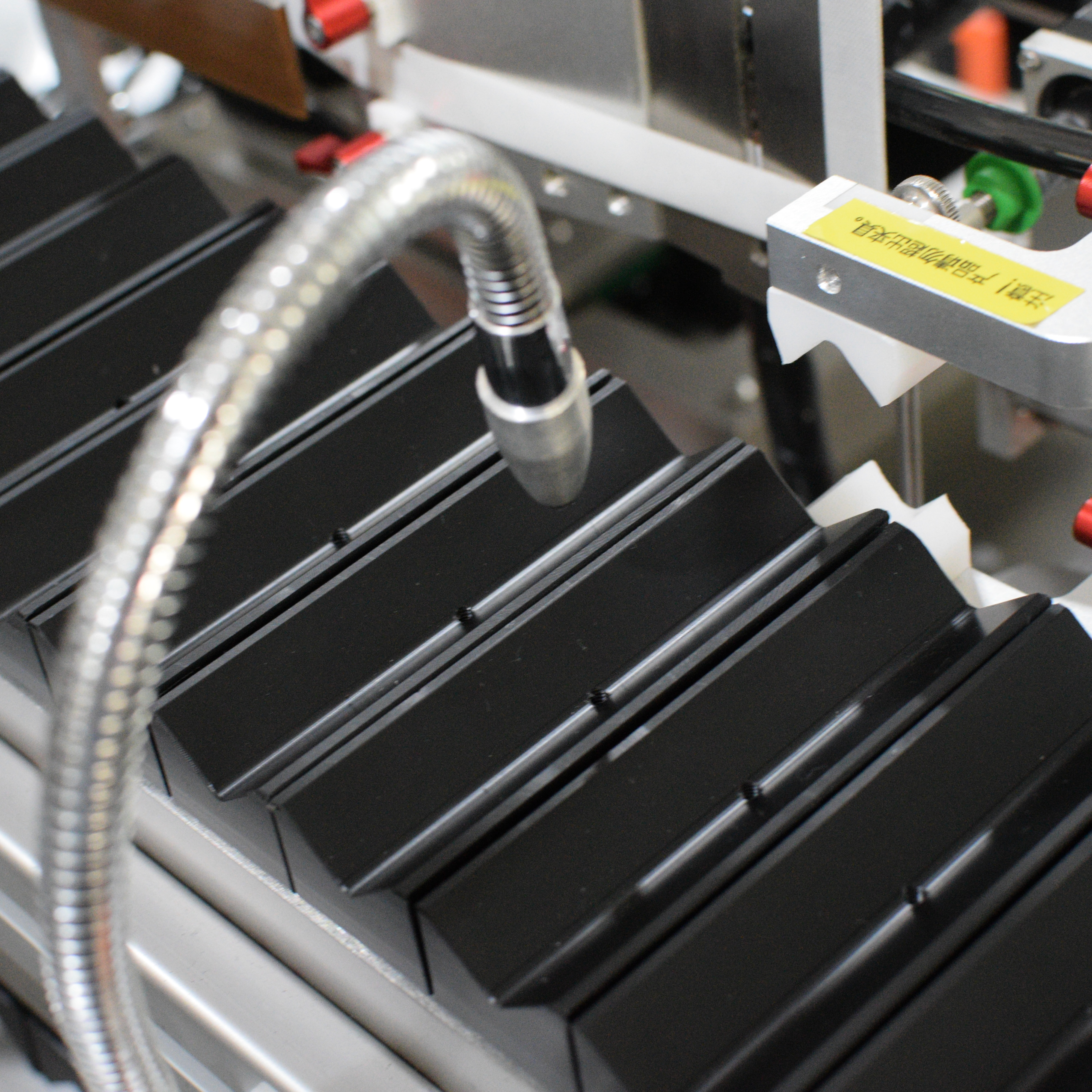
Component names are only a starting point. Confirm how operators adjust position, speed, and direction. Ask whether settings can be saved for repeat SKUs. Check access to sensors and the label path. A horizontal labeling machine should be precise and clear to the people who run it.
Plan Changeovers for a Multi Product Factory
Cosmetic OEM and ODM production often involves short runs, seasonal launches, and frequent package changes. In this environment, changeover time can matter as much as rated speed. The GIENICOS horizontal labeling machine uses quick-change tooling to support different products. Buyers should review the complete change process during supplier evaluation.
Ask the operator to change one format on the horizontal labeling machine. Observe the parts, settings, tools, and steps needed to approve the first product. A simple, repeatable process reduces setup errors and lost production time.
The spare-parts list should identify tooling for every approved container. Keep sample packs and labels with the setup record. When a horizontal labeling machine returns to a previous SKU, this reference can reduce adjustment and startup waste.
Check Utilities Footprint and Line Integration
The listed GIENICOS horizontal labeling machine uses single-phase 220 VAC power and consumes 1.5 kW. Its stated dimensions are 945 by 620 by 1830 mm, and it weighs 160 kg. Buyers can use these figures to plan floor space, electrical service, access, and internal movement.
Leave working space for roll loading, tooling changes, cleaning, inspection, and maintenance. Confirm the operator side and flow direction. If the horizontal labeling machine will connect to filling or cartoning equipment, share the line layout and product transfer height with the supplier.
The horizontal labeling machine can be used in an automatic packaging line or as a stand-alone unit. Review how products enter and leave, what happens during a stop, and how buildup is controlled when connected machines run at different rates.
Compare Total Cost Instead of Purchase Price Alone
The lowest quotation may not produce the lowest operating cost. A horizontal labeling machine can affect label waste, rework, operator time, changeover time, and finished-pack appearance. These costs continue after the machine reaches the factory.
Request a clear scope for the horizontal labeling machine. It should list format tooling, sensors, electrical configuration, spare parts, documents, testing, packing, and service. Ask which future packs will need new tooling and how wear parts are replaced.
GIENICOS lists 1.5 kW power consumption and a compact footprint. To estimate operating cost, use expected batch size, daily changeovers, label cost, operator time, and rework. This creates a practical business case for the horizontal labeling machine.
Use Factory Testing to Reduce Delivery Risk
A factory acceptance test should confirm that the horizontal labeling machine works with the buyer’s real packaging. GIENICOS describes FAT as a collaborative process in which the customer and engineering team observe operation, verify the process, review adjustments, and confirm performance before delivery. The same approach is useful for labeling equipment.
Prepare Samples and Acceptance Points
Send enough containers and labels to set up the horizontal labeling machine and run a continuous test. Include every ordered format and the most difficult pack. Agree on the test quantity, placement range, defect limits, and changeover steps.
- Verify feeding stability and product orientation.
- Check label detection and product detection under normal operation.
- Measure placement on samples from the start, middle, and end of the run.
- Inspect for skew, wrinkles, bubbles, lifting edges, and poor overlap.
- Test each approved container and label direction.
- Perform at least one complete format change and restart.
- Review alarms, HMI settings, cleaning access, and routine adjustments.
- Confirm the final format-parts list, manuals, and packing scope.
Record accepted settings and approved samples. If the horizontal labeling machine needs an adjustment, complete it before packing and repeat the affected test. This is less costly than finding a package mismatch after international delivery.
Evaluate the Supplier as an Automation Partner
A horizontal labeling machine often connects with filling, capping, inspection, and packing. GIENICOS states that it has provided design, manufacturing, automation, and system solutions for cosmetic makers since 2011. Its range covers material preparation, molding, heating, filling, cooling, compacting, packing, and labeling.
GIENICOS states that its equipment is modular and customizable, its products hold CE certificates and 12 patents, and its products and services have reached more than 50 countries. Buyers should still confirm the certification, drawing, configuration, and service scope for the ordered horizontal labeling machine.
A supplier review should cover the application, sample test, project documents, communication path, and after-sales plan. Share the product, label, target output, voltage, layout, and future formats early so the horizontal labeling machine can be configured around known risks.
Choose a Labeling Solution Around Real Production
The right horizontal labeling machine is the one that controls your smallest containers, meets the agreed placement requirement, changes between products without excessive downtime, and fits the complete packaging flow. Container samples, label samples, and a clear FAT plan are more useful than a general promise of high accuracy.
GIENICOS combines cosmetic machinery manufacturing with automation and system planning. Its horizontal labeling machine uses a horizontal rotary structure, PLC and HMI control, servo motion, label and product sensors, quick-change tooling, and adjustable label direction. Send GIENICOS your container sizes, label drawings, samples, target output, and line layout. The engineering team can review the application and help define a practical configuration for your cosmetic production project.
Post time: Oct-29-2026