
Not all CC creams are the same. Even small differences in texture can change how they flow, fill, and set in containers. For cosmetic manufacturers, understanding the viscosity of your CC cream is not optional—it’s essential. The viscosity determines which filling machine works best, how fast you can run your production line, and whether each container is filled accurately. In this article, we’ll break down why viscosity matters and how it affects CC Cream Filling Machines.
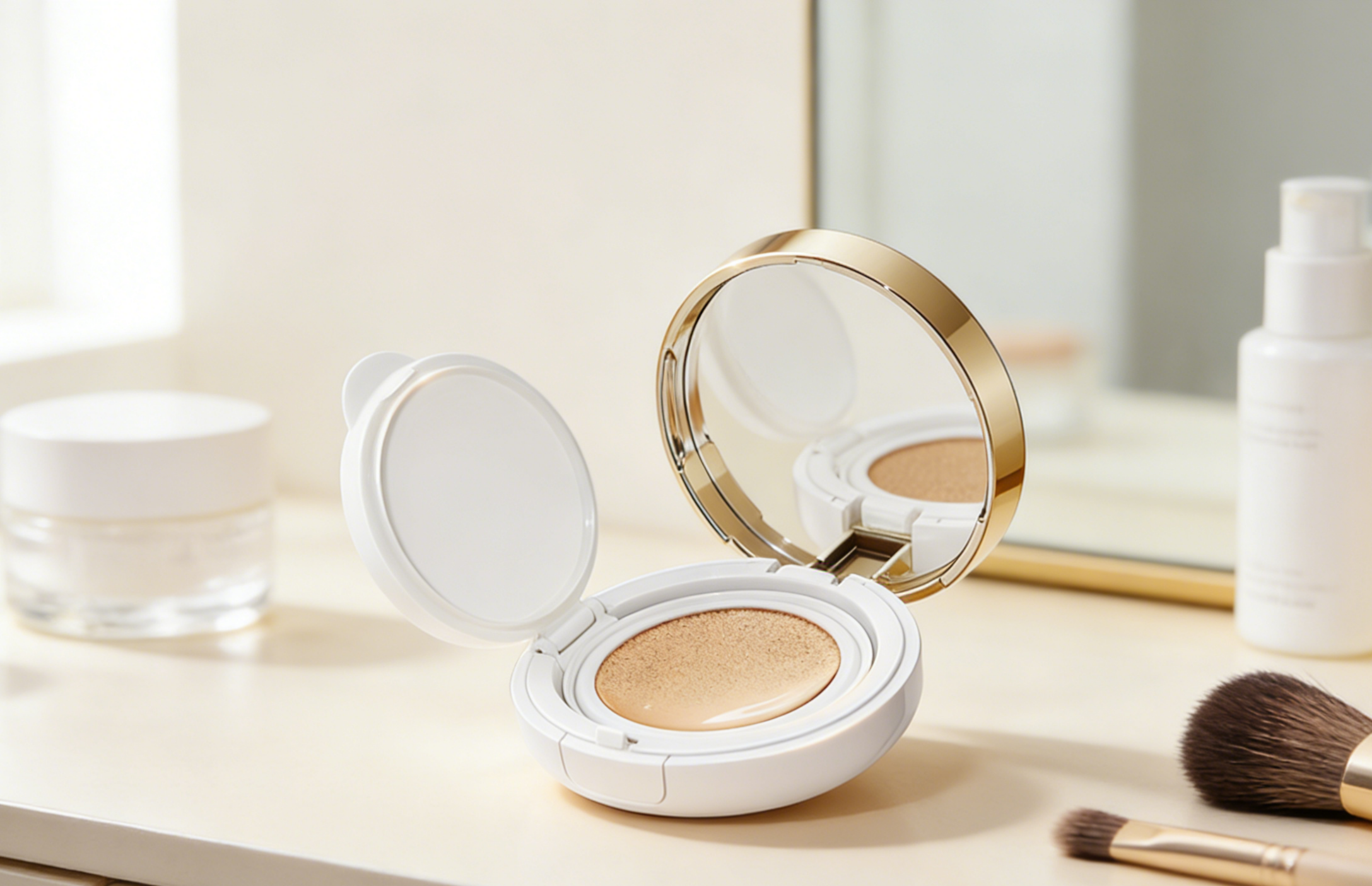
What Viscosity Really Means for CC Cream
Viscosity measures how a cream resists flow. A light, fluid CC cream moves easily, while a dense, rich CC cream flows slowly and can stretch or stick. But more importantly, viscosity dictates how the cream behaves during production:
▸A thin cream may create bubbles if the pump is too fast.
▸A medium cream requires precise dosing to avoid overfilling or underfilling.
▸A thick cream can stress pumps and nozzles if the machine isn’t designed for high viscosity.
By analyzing viscosity, manufacturers can choose the right pump, nozzle, and filling speed—avoiding waste, downtime, and inconsistent products.
Different Types of CC Cream and How They Affect Filling
CC creams vary from light, lotion-like textures to dense, buttery formulas. Each type needs a different approach:
▸Light CC creams: Easy to pump and flow; high-speed filling works well but may need anti-foam measures.
▸Medium-viscosity CC creams: Require controlled pumping and precise nozzles to ensure consistent fills.
▸Thick CC creams: Best handled with piston or auger pumps that can push dense cream without dripping or breaking the product.
The wrong combination of pump and nozzle can lead to messy production, product waste, and inaccurate container fills. Understanding your cream’s behavior under production conditions is crucial.
How CC Cream Filling Machines Handle Different Viscosities
CC Cream Filling Machines are designed to deliver accurate, high-quality fills across different viscosities. Common machine types include:
1. Rotary machines: Containers rotate through multiple filling stations. Ideal for medium to high-viscosity creams and high-volume production.
2. Linear machines: Containers move in a straight line, offering precise speed control. Suitable for light to medium CC creams.
3. Semi-automatic machines: Operators manually place containers, giving flexibility for small batches or specialty formulas.
4. Automatic piston machines: Perfect for thick or chunky creams. Pistons deliver a set volume for each container, minimizing waste.
At GIENICOS, our machines are engineered to adapt to a wide range of CC cream viscosities, ensuring smooth, reliable production.
Choosing the Right Pump System
The pump is the heart of any CC Cream Filling Machine. Its design determines how smoothly the cream moves from the hopper to the container.
⦁ Thin creams work well with peristaltic or gear pumps.
⦁ Medium creams may require piston pumps for precise dosing.
⦁ Thick creams often need auger or heavy-duty piston pumps to maintain consistent flow.
Using an unsuitable pump can cause underfilling, air bubbles, or dripping, leading to product waste and inconsistent packaging.
Selecting the Right Nozzle
Nozzles control how the cream exits the machine. Key considerations:
⦁ Thin creams need narrow nozzles to avoid splashing.
⦁ Thick creams need wide, smooth-flow nozzles to prevent clogging.
⦁ Adjustable or anti-drip nozzles allow a single machine to fill multiple container sizes efficiently.
The combination of pump and nozzle is what keeps your production line clean, accurate, and fast.
How Viscosity Affects Production Speed
Viscosity determines how fast you can fill containers:
⦁ Light creams allow faster filling without compromising accuracy.
⦁ Thick creams require slower, controlled filling to ensure each container is full.
By matching the machine, pump, and nozzle to your cream’s viscosity, manufacturers can optimize both speed and product quality.
Cleaning and Maintenance
High-viscosity creams can leave residue inside pumps and nozzles. Machines designed for thick CC creams often feature easy-to-clean parts and quick disassembly, reducing downtime and maintaining hygiene. Regular maintenance ensures consistent product quality and prevents contamination.
Conclusion
Viscosity is more than just a measurement—it’s a key factor in CC cream production. It influences pump choice, nozzle design, filling speed, and overall machine performance. Selecting the right CC Cream Filling Machines ensures accurate filling, reduces waste, and maintains high product quality. Understanding your cream’s viscosity and choosing equipment accordingly is the first step toward a smoother, more efficient production process and consistent, high-quality results.
Post time: Jan-29-2026